
Staying physically active was a serious challenge for me for a long time. As a kid I was all over the place, riding my bike, running around, sledding, being a general menace, but as an adult who went into a creative field, I found myself spending days at a time inside in front of my computer.
Forcing myself outside was a chore and any gym equipment I bought ended up being a clothes rack. It wasn’t until a friend of mine dragged me with him on a camping trip that I finally found the solution. Once I was outside on an excursion, I was locked in. I didn’t have a couch or office chair anywhere nearby beckoning me to go back inside, it was just me, the elements and my long-lost passion for exploration. Of course, this meant I had a whole new world of fun gadgets and products to dig into and after the mess of my first trek using my old school-style backpack, I knew exactly what I was getting first.
Camping Backpacks are Weird Looking
Initially I was looking for something that “looked cool.” Obviously, my vanity was keeping me from finding something with any trail/camping utility so it didn’t take long for me to realize that a good long-trek backpack isn’t about looks, it’s about how well it works and how much it comfortably holds.
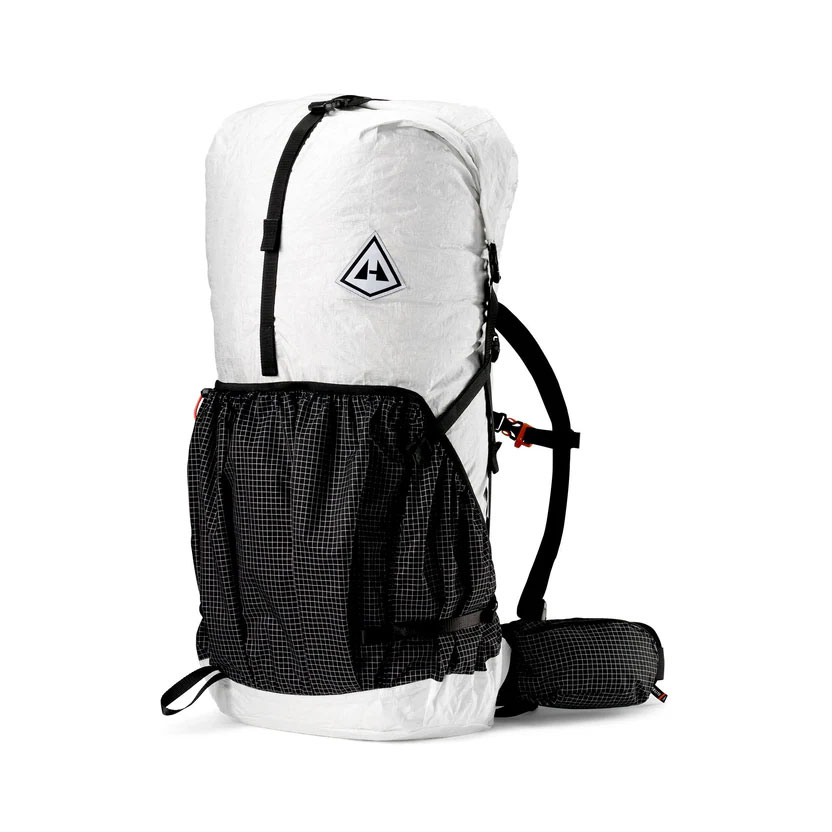
My research took me through a lot of brands, there are a ton of options, all ugly looking. I thought about getting a cheaper one on Amazon, you know, one made by a brand that is impossible to pronounce that is probably drop shipping. The reviews quickly stopped that mistake before it happened though. It turns out backpackers really use the heck out of their gear and are very vocal when it doesn’t meet their standards. The reviews were full of helpful little tidbits like “I should have just saved up and bought X or Y brand,” or “this thing pales in comparison to my -name their favorite backpack-,” so it was pretty easy to narrow down my choices. It wasn’t long until I found myself looking at the Hyperlite website to read up on one of the most recommended backpacks from my Amazon review reading, the Southwest.
What to Look for in a Trail Backpack
First and foremost a trail backpack should fit. You need to take some pretty detailed measurements of your torso and shoulders to make sure you can wear your pack for long hours and not end up wearing out your joints or chaffing your armpits and chest. You want something with a highly adjustable harness as you want the majority of your pack’s weight to rest on your hips, not your shoulders. A lot of cheaper brands just sell a s/m/l selection of sizes and don’t allow for a huge amount of adjustment in the harness. Hyperlite’s packs come in a wide variety of sizes and they are extremely adjustable! The pack’s shoulder straps and belt are well padded and sturdy so those long hauls won’t leave you with bruises (yes, that is absolutely a thing and it is not fun).
After making sure the fit is just right, you’re going to want to take stock of exactly how much equipment you want to take with you. The Southwest, and their other bags come in a selection of bag capacity options separate from the harness sizing. Available in 40L, 55L and 70L, you have a good range to pick from. Something to be aware of is that a trail pack with a lot of extra room in it can lead to the contents shifting around, leading to uneven loads which can really end up straining your body while you hike. It’s best to buy a size you can pack firmly, so try to be as aware of what you like to travel with.
Durability is also very important as you will likely be banging this thing around a lot out in the wild. The water resistance and durability is amazing, most of the pack being made of a fabric called “Dyneema,” which is marketed as the strongest fabric in the world. It’s 15 times stronger than steel by weight and extremely water resistant. The side pockets are made from that same solid Dyneema fabric as well, not mesh, which means you won’t be snagging those things on branches and rocks as you hike.
The weight of your pack is also extremely important. Ultralight packs can sacrifice comfort and durability to decrease the weight sometimes, but one of Hyperlite’s primary marketing angles is their lightweight class that doesn’t sacrifice function or durability and the Southwest really does deliver on that promise.
Once you have the harness size and main pack figured out, you’ll want to make sure you have the bells and whistles you are looking for. The Southwest has some really great features that put it over the finish line when I was comparing packs. It has a hydration system built in, making it easy to sip at your water supply on the move. It also has excellently designed hip-belt pockets that make it easy to grab the items you tend to use frequently without having to stop and open your pack.
Then there is the flexibility. Some people swear by rigid framed bags, and some prefer soft unframed bags. This one is both, featuring a removable aluminum frame and stays that help to fill space in the bag to make sure it’s packed tightly and evenly.
Some Specs
For those of you who need the TL:DR, here are some basic stats.
- Capacity: 40L / 55L / 70L options
- Weight: ~1.9 lbs (≈29–31 oz, size M)
- Load Capacity: Up to 40 lbs
- Material: Dyneema® Woven Composite 3.9
- Frame Type: Internal frame (aluminum stays)
- Access: Roll-top closure
- External Storage: ~10–16L (varies by size)
- Pockets: Front + side pockets + hip belt pockets
- Torso Sizes: S / M / L / Tall
- Use Case: Ultralight backpacking / multi-day trips
What Can it Hold?
For those of you who are new to long haul backpacking, let me give you a loadout list of what my 55L pack holds. This might give you a good idea of how much these sorts of bags are designed to carry.
At the bottom, my bedroll. I am a big guy so I have a pretty big sleeping bag. Rolled tightly, it fits perfectly. On top of that, I have a small shelter tent rolled up around the tent stakes and rope. That fills the base of the bag pretty well. On top of that I have my spare clothes including 4 pairs of socks, three pairs of undies, a compressible extra jacket, beanie and gloves (work gloves if its warm out, warm gloves if its cold). Using the second jacket as a buffer layer I have my camp cooking gear on top of that. Cooking while camping is one of my favorite parts of all this so I have a good amount of stuff. I keep an ultralight camp stove and 5 fuel pucks, an aluminum camp pot with any wet ingredients stored inside, my trusty spork, lighter and tin plate and all other ingredients wrapped up in a bear bag with my pot.
At the very top I keep all the things I know I could need to get to quickly like my toiletries, towels, first aid kit, batteries and books. At the very top is the hydration bag. Then in the belt pockets I keep my bug spray, knives (yes multiple knives. I am a dude and I think pocket knives are neat,) flashlight, a mini roll of duct tape for quick gear repairs and my power bank, cables and phone.
This thing is absolutely packed with everything I could possibly need to survive the great outdoors, and it all comes to about 40-45lbs. The weight might be a little higher if I’m feeling fancy and want to bring a cold pack so I can make some fresh meat on the first night, but that’s rare.
Who is This For?
This is a serious backpack, so I recommend this for a serious backpacker (like the title says!). If you are a beginner, you might benefit from something a little more compartmentalized to help you organize your gear, or you could even start off with a pre-packed bag to help you get a handle on exactly what you should bring on an overnight hike. This bag is for people who have done this sort of thing before and plan on doing it a lot more in the future. It’s an expensive bag, costing $420 (nice) at the 55L size and $450 at 70L, so this is something you should be upgrading to, not starting with. If you’re a seasoned trailblazer though, this is a great purchase.